

Northeastern Oklahoma Council on
130 West Steve Owens Boulevard, Miami
You can pay with: Medicaid
CARF accreditation, per the program\'s own SAMHSA report
The kinds of care
DetoxRehab where you stay overnightOutpatient, PHP and IOPMedication-based treatment (MAT)Treating dual diagnosisRehab for drinkingRehab for drugsCare made for one groupSober living homes, transitional housingCovering the cost of rehabCovering the cost of rehab
The rundownSoonerCarePrivate insurance through a planMedicareTRICARENo coverage at allWork out the costSAMHSA list, checked November 16, 2026
A residential program means moving in for a while: your own bed, staff on duty around the clock, a daily routine. Expect 28 to 30 days, sometimes longer. In Oklahoma, SAMHSA counts 29 places that offer this.
Before you call, have two things on the table: the insurance card and the ZIP code. Yours, or the card of the person you're helping. Know this before you dial: it's a paid referral line, answered by a partner who isn't any of the programs on this page.
12 of 29 programs, taken from SAMHSA FindTreatment.gov (November 16, 2026). The programs that tell SAMHSA about the most services show up first, then A–Z. Getting on this list is free for every program. A partner has paid for the referral line on this page. How the list is sorted.
Where do you even start? Call (405) 536-9895 Know this before you dial: it's a paid referral line, answered by a partner who isn't any of the programs on this page.
130 West Steve Owens Boulevard, Miami
You can pay with: Medicaid
CARF accreditation, per the program\'s own SAMHSA report
300 North Dalton Street, Valliant
You can pay with: Medicaid
CARF accreditation, per the program\'s own SAMHSA report
3115 East Arlington Street, Ada
You can pay with: payment info missing from SAMHSA
14440 North South 3500 Road, Konawa
You can pay with: Medicaid
CARF accreditation, per the program\'s own SAMHSA report
401 East Oklahoma Avenue, Enid
You can pay with: Private insurance plan · TRICARE
CARF accreditation, per the program\'s own SAMHSA report
1101 East Monroe Avenue, Mcalester
You can pay with: Medicaid · Medicare · Private insurance plan
2130 South 85th East Avenue, Tulsa
You can pay with: Private insurance plan · TRICARE · Sliding fee tied to income
13224 SE 202 Road, Talihina
You can pay with: Medicare
Joint Commission accreditation, per the program\'s own SAMHSA report
2727 South 137th West Avenue, Sand Springs
You can pay with: Medicaid · Sliding fee tied to income
1011 Honor Heights Drive, Muskogee
You can pay with: Private insurance plan
32300 South 625 Road, Grove
You can pay with: Medicaid
CARF accreditation, per the program\'s own SAMHSA report
7905 East Highway 66, El Reno
You can pay with: Medicaid
CARF accreditation, per the program\'s own SAMHSA report
Our facility data is public agency data. None of it is bought from advertisers.
Here in Oklahoma, SAMHSA's list had 29 facilities with inpatient and residential rehab (count from November 16, 2026)[1]; Oklahoma City (5), Tulsa (2) and 22 more cities with 1 each has the biggest share. 66% take Medicaid, and 6 will work with you on a sliding fee scale.
Worth keeping in mind
Oklahoma has 77 counties. We dropped a pin in the middle of every one and measured, as the crow flies, to the closest listed facility with inpatient and residential rehab. Half those distances are under 27.7 miles, and in 35 counties the nearest one is more than 30 miles off.
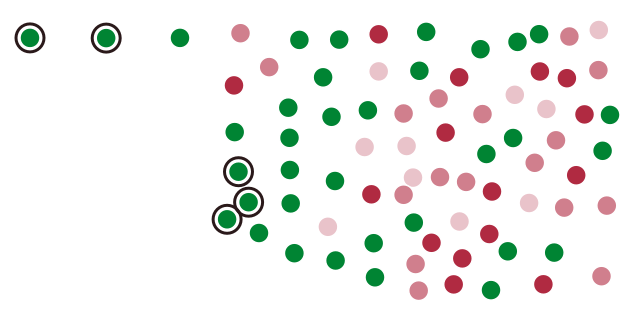
| County | Miles to the closest |
|---|---|
| Cimarron County | 163.7 |
| Texas County | 106.6 |
| Beckham County | 81.6 |
| Harmon County | 81.6 |
| Greer County | 66.5 |
| Custer County | 64.2 |
| Roger Mills County | 60.5 |
| Jackson County | 57.9 |
Who picks up the bill for inpatient and residential rehab?
19 of the 29 facilities accept Medicaid and 6 offer a sliding fee scale.
Test a program's quote with the cost calculator.
Free, confidential, available 24/7. Know this before you dial: it's a paid referral line, answered by a partner who isn't any of the programs on this page.
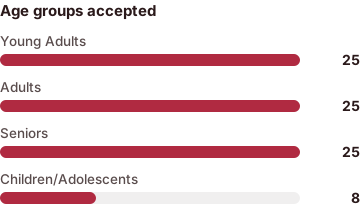
8 of the 29 facilities work with children and teens. Veterans get their own programs at 14, and 4 offer care in Spanish.
Most common here: Young Adults (25 of 29), Adults (25 of 29) and Seniors (25 of 29).
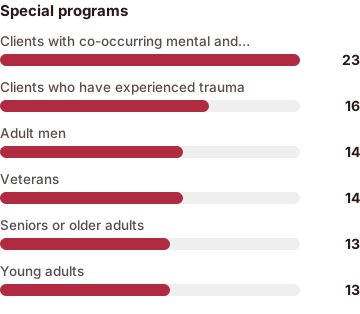
Most common here: People with a substance use disorder plus a mental health condition (23 of 29), Clients who have experienced trauma (16 of 29), Adult men (14 of 29) and Veterans (14 of 29).
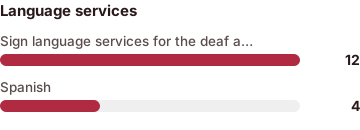
Most common here: Sign language for anyone deaf or hard of hearing (12 of 29) and Spanish (4 of 29).
Each program answered this itself: the settings they run and the help they offer once you're discharged.
Most common here: Residential/24-hour residential (22 of 29), Long-term residential (16 of 29), Short-term residential (10 of 29) and Outpatient (10 of 29).

Most common here: Housing services (23 of 29), Mentoring/peer support (23 of 29) and Assistance with obtaining social services (20 of 29).

Most common here: Naltrexone used in Treatment (8 of 29) and Buprenorphine used in Treatment (6 of 29).

Most common here: Cognitive behavioral therapy (25 of 29), Relapse prevention (21 of 29) and Substance use disorder counseling (21 of 29).

How do you choose one?
There are five things SAMHSA looks for in good treatment. Here's how many Oklahoma inpatient and residential rehab programs told SAMHSA they have each:
Oklahoma inpatient and residential rehab programs that report CARF or Joint Commission accreditation number 18, out of 29. Don't skip the state license either; ODMHSAS issues the licenses.
8 of 29 can prescribe medicine for alcohol or opioid use, like naltrexone, buprenorphine or methadone. Ask about it.
Research-backed therapy is used at 25 of 29. Ask for these by name: motivational interviewing, contingency management, CBT (cognitive behavioral therapy).
Ask about it: 6 of 29 here will work with couples or the whole family.
Ask what happens once you leave. 29 of 29 stay with you after discharge through peer support or help finding housing.


Where the 29 facilities offering inpatient and residential rehab are, city by city
| City | Provides this | Every facility |
|---|---|---|
| Oklahoma City | 5 | 27 |
| Tulsa | 2 | 18 |
| Ada | 1 | 4 |
| Ardmore | 1 | 3 |
| Canadian | 1 | 1 |
| Cushing | 1 | 1 |
| Edmond | 1 | 2 |
| El Reno | 1 | 2 |
| Enid | 1 | 3 |
| Fort Supply | 1 | 1 |
| Grove | 1 | 3 |
| Idabel | 1 | 2 |
| Konawa | 1 | 1 |
| Lawton | 1 | 2 |
| Maud | 1 | 1 |
Programs use ASAM criteria to place you. They weigh withdrawal risk, medical and mental health needs, whether you're ready, the odds of relapse, and what home is like. Oklahoma has 29 residential programs. Medicaid works at 19 of them, private insurance at 17.
Where do you even start?
Oklahoma City has 5 of the 29. You can get in touch with one yourself; the referral line below is the other way.
Know this before you dial: it's a paid referral line, answered by a partner who isn't any of the programs on this page.
November 16, 2026: every line of this page went back through the Oklahoma Rehab editorial team, checked against the sources above. How we do this.
Inpatient and residential rehab in Oklahoma: what a local should know
Going by SAMHSA's FindTreatment.gov locator on November 16, 2026, Oklahoma has 180 addiction treatment facilities, and 29 of them offer inpatient and residential rehab.
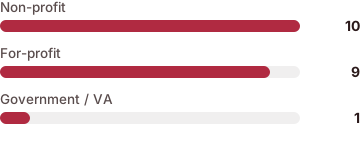
There's at least one in each of 24 cities and 20 counties. Check the table below for the top 15 cities. 10 of the 29 are non-profits; 1 belong to a government agency or the VA.
Oklahoma City has the most, with 5, followed by Tulsa (2) and 22 more cities with 1 each.
Oklahoma County is the top county, with 6. 19 more cities have one or more, and the directory of all 180 centers covers every one.
For most people, yes. Out of 29 facilities, 19 will bill SoonerCare, 9 bill Medicare, and 17 take private insurance.
Without insurance, 6 of them go by what you earn, and 21 run on public money. Oklahoma City has more programs taking SoonerCare than any other place: 5. Plans differ from one program to the next among the 19. To know which ones a program bills, ask it, or give the referral line a call (paid; our partner picks up).
Of the 29, kids and teens can go to 8, veterans have their own programs at 14, and 4 have staff who speak Spanish; 15 will take someone sent there by a court. Teen programs taking SoonerCare: 8 out of 8. Veterans programs taking TRICARE: 8 out of 14; torn between the 29 and can't pick? Ask one of them, or give the referral line a call (paid; our partner picks up).
A residential program means moving in for a while: your own bed, staff on duty around the clock, a daily routine. Expect 28 to 30 days, sometimes longer.
Weigh it against detox and outpatient, IOP & PHP. Out of those 29, 29 offer residential care too, and 10 offer outpatient care. 24 of the 29 will also treat a mental health condition along with the addiction.
Not sure inpatient and residential rehab is the right fit? Call (405) 536-9895 Know this before you dial: it's a paid referral line, answered by a partner who isn't any of the programs on this page.
Inpatient & residential rehab around here